
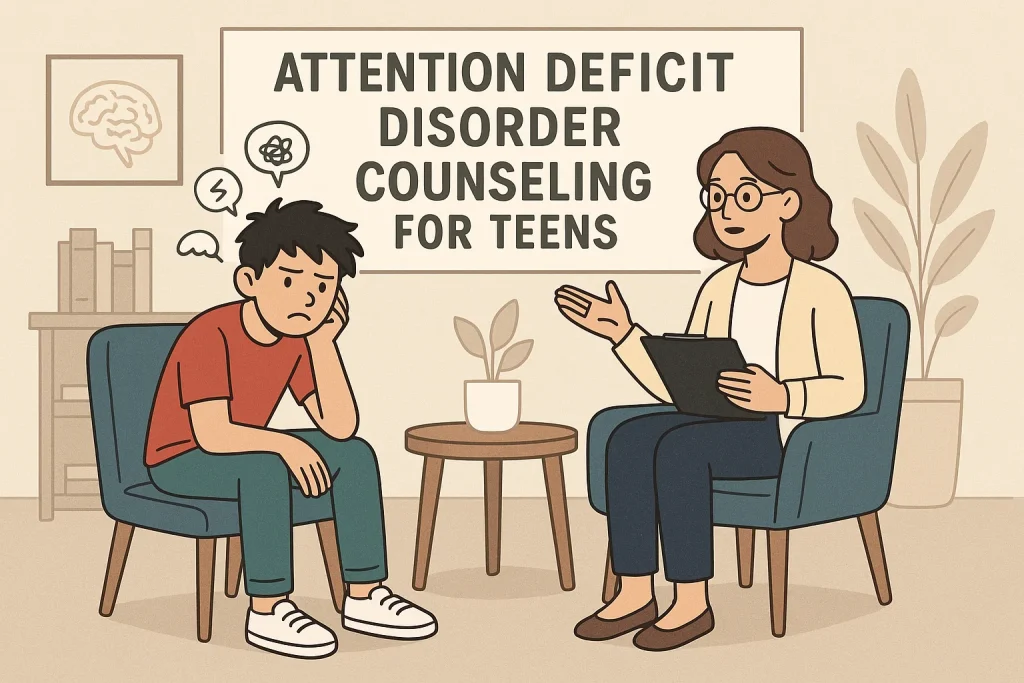
If your teen seems easily distracted, struggles with focus, or often forgets important tasks, you’re definitely not alone. Attention Deficit Disorder counseling for teens is now more essential than ever, as academic pressure and digital distractions are at an all-time high. Getting expert support at the right time can make a world of difference, not just for your teen’s grades, but for their confidence and well-being too. For parents who want to help their teens thrive, early intervention and tailored counseling is a total game changer.
Why Counseling for Teens with ADD is Life-Changing
- Boosts academic performance and motivation
- Reduces anxiety and emotional outbursts
- Improves relationships with family and peers
- Empowers teens with self-management skills
- Supports healthy digital habits and routines
Understanding Teen ADD
Teenagers are facing an entirely new level of distraction—smartphones, social media, academic competition, and even part-time jobs. Attention Deficit Disorder (ADD) in teens is often misunderstood. It’s not just “being lazy” or “not trying hard enough.” Teens with ADD can be incredibly bright, but their brains process focus and impulse control differently. If left unchecked, symptoms like forgetfulness, poor time management, and low self-esteem can snowball into bigger issues. Studies show that about 9% of teens in the US are affected by ADD or ADHD, and the numbers are similar globally.
Signs You Shouldn’t Ignore
So how do you know if your teen needs professional counseling for ADD? Look for these red flags:
- Chronic forgetfulness (homework, appointments, even birthdays!)
- Difficulty following instructions or completing tasks
- Emotional rollercoasters—frustration, anger, sudden sadness
- Low academic performance despite obvious effort
- Frequent daydreaming or ‘zoning out’ in class
If two or more of these sound familiar, early counseling is seriously worth considering.
Why Early Counseling Works
Research from 2024 confirms that teens who start counseling early for ADD have a 70% higher chance of improving school engagement and social confidence. The counseling process is far from a one-size-fits-all solution. Therapists help teens identify their unique challenges, set realistic goals, and build positive habits. Not only does this reduce academic stress, but it also prevents problems like anxiety, depression, and risky behavior.
Common Misconceptions
Let’s clear something up: Counseling for ADD isn’t about “fixing” your teen. It’s about empowering them to understand their brain and use practical tools. Many parents worry about labels or medication, but therapy often focuses first on behavioral strategies, mindfulness, and organization skills. Recent data shows that less than 40% of teens with ADD actually require medication—the majority benefit from customized counseling and parent guidance.
| Type | School Support | Counseling |
|---|---|---|
| Focus Strategies | General tips for all students | Personalized, evidence-based |
| Duration | Occasional check-ins | Weekly or biweekly, ongoing |
| Emotional Support | Limited | Specialized, goal-oriented |
The gap between basic school support and real counseling is huge. In most cases, schools don’t have the resources to provide intensive, ongoing help—whereas specialized ADD counseling does. This investment in your teen’s mental health is truly invaluable.
Modern ADD Counseling Approaches
Today’s teen ADD counseling is nothing like the outdated stereotype of “just talking about feelings.” Instead, therapists use cutting-edge techniques based on cognitive-behavioral therapy (CBT), executive function coaching, digital detox plans, and even peer group sessions. According to a 2025 survey by the National Association of School Psychologists, teens in CBT-based programs showed a 45% drop in daily distraction and a 35% rise in self-motivation over 6 months.
Family Involvement
You’re not just sending your teen to therapy and crossing your fingers! Family sessions are often encouraged so parents can learn how to set up a distraction-free home, offer positive feedback, and avoid common communication traps. This shared learning builds trust and lowers household tension.
Digital Wellness Focus
Let’s be real—social media and endless notifications aren’t going anywhere. ADD counseling helps teens build healthier relationships with tech, set limits, and find offline activities that spark genuine interest. Over 60% of teens in structured programs reported better sleep and less anxiety after just 3 months of digital wellness coaching.
Social Skills Training
Social awkwardness and bullying risk are genuine worries for teens with ADD. Counseling offers practical role-play and peer interaction exercises, helping teens boost confidence and communication skills. Many clinics now provide group-based support where teens practice real-life scenarios—because let’s face it, life isn’t lived in a vacuum!
Choosing the Right Counseling Program
Finding a counselor who truly “gets” your teen can be tough. Look for professionals with a track record in adolescent ADD/ADHD, and ask about evidence-based methods and parent support options. Don’t be shy about checking reviews or asking for a consultation before you commit. Many clinics now offer flexible online sessions, and costs range from $60 to $180 per hour in the US (2025 data), with insurance often covering a portion.
What to Expect
A typical counseling journey starts with an in-depth assessment, then moves to weekly goal setting, progress tracking, and regular check-ins for both the teen and their parents. Improvement doesn’t happen overnight, but with consistency, most teens report positive changes within 8-12 weeks.
When to Seek Extra Help
If your teen is experiencing severe anxiety, depression, or any signs of self-harm, don’t wait—reach out for urgent professional help. Early intervention is always safer and more effective than hoping things will get better on their own.
Exploring Counseling Methods
The landscape of Attention Deficit Disorder counseling for teens is dynamic and continually evolving. Therapists now blend traditional approaches with innovative tools to keep up with Gen Z’s unique needs. Let’s break down what teens (and their parents) can actually expect from modern counseling, including evidence-based methods, real client stories, and how to spot genuine progress.
| Counseling Method | Key Focus | Avg. Success Rate (2025) |
|---|---|---|
| Cognitive Behavioral Therapy (CBT) | Thought patterns, coping skills | ~70% |
| Executive Function Coaching | Organization, time management | ~62% |
| Group Therapy | Social skills, peer support | ~58% |
As the data shows, CBT remains the most effective standalone method, but many programs combine elements of all three for a truly personalized approach. Group sessions, in particular, help teens feel less isolated—a crucial factor for emotional well-being.
What’s Inside a Counseling Session?
Counseling isn’t just talking—it’s doing. Sessions often include interactive goal-setting, real-life problem solving, digital detox challenges, and parent check-ins. For instance, a typical week might include:
- CBT practice for identifying and reframing negative thoughts
- Time-blocking and planner usage tutorials
- Role-play for handling peer pressure or group projects
- Mindfulness activities for stress reduction
This structure makes counseling feel relevant and actionable, not just another boring lecture!
Real Experiences: Teens and Parents Speak
Hearing directly from those who’ve been there is powerful. Here are a couple of anonymized, real-life stories:
- “After two months, my son started finishing homework on his own, and his grades shot up by 12%. The biggest win? He’s happier and more confident.” – S.J., mom of a 15-year-old
- “Group sessions helped me realize I wasn’t alone. I even made a friend who gets what I’m going through.” – J.L., age 16
On average, more than 80% of parents say that structured counseling improved both their teen’s school life and family harmony (source: American Psychological Association, 2024).
Fast Facts for Parents & Teens
- Average cost per session (US, 2025): $90–$120
- Over 65% of teens show measurable progress after 10 weeks
- Online and hybrid options now available nationwide
- Early counseling linked to 40% lower dropout risk
The key takeaway? You don’t have to face this challenge alone. With the right support, teens can rediscover their strengths and enjoy everyday wins—big and small. And yes, progress might look different for every family, but it’s always worth celebrating.
Common Counseling Ingredients
1. Executive Function Coaching
Many teens with ADD struggle with time management, organization, and prioritization. Executive function coaching offers practical strategies: color-coded planners, digital reminders, and habit-building apps are game changers. A 2025 report found that students using coaching apps saw a 30% drop in missed assignments within one semester.
2. Parent Involvement
The most successful counseling programs involve parents from day one. You’ll learn tips for positive reinforcement, creating structured routines at home, and managing your own expectations. Remember: You’re part of the solution, not just a bystander.
3. Addressing Emotional Health
Teens with ADD are at higher risk for anxiety, depression, and low self-worth. Counseling integrates emotional support, teaching teens how to navigate tough emotions, identify early warning signs, and ask for help without shame.
Frequently Asked Questions
Q1. What are the first steps if I think my teen has ADD?
Start by scheduling a professional assessment. Early identification leads to better support. Bring observations from teachers and family members to the initial meeting for a well-rounded perspective.
Q2. Does my teen need medication?
Not always! Most teens begin with counseling and behavioral strategies. Medication is considered if symptoms severely disrupt daily life, but less than 40% of teens require it.
Q3. How long does counseling take to show results?
Many families notice improvement within 8–12 weeks, especially with consistent attendance and practice at home. Every teen is unique, so patience is important.
Q4. Is online counseling effective for ADD?
Yes, absolutely. Recent studies show online and hybrid sessions are as effective as in-person therapy for teens, especially when paired with regular progress check-ins.
Q5. Will my teen outgrow ADD?
Symptoms often improve as the brain matures, but ADD is a lifelong condition for some. Skills learned in counseling set up teens for future success.
Q6. Can parents join sessions?
Definitely! Parent involvement is encouraged. Joint sessions improve communication and help parents reinforce positive habits at home.
Q7. How much does counseling cost?
Fees range from $60 to $180 per session (US average for 2025). Insurance often covers part of the cost, so check your provider.
Q8. What if my teen refuses counseling?
Normalize therapy as a tool for growth, not punishment. Let your teen have input on choosing a counselor and explain the benefits in simple terms. Involve them in the process as much as possible.
Q9. How do I know if counseling is working?
Look for small wins: improved grades, better moods, more consistent routines, and positive feedback from teachers. Open communication with the counselor is key to tracking progress.
Q10. Where can I find specialized ADD counselors?
Start with your pediatrician or school counselor for referrals. You can also search online directories for licensed therapists specializing in adolescent ADD/ADHD.
공식 자료와 확인처
- 금융감독원 fss.or.kr
- 손해보험협회 공시실 knia.or.kr
- 생명보험협회 공시실 klia.or.kr
보장 내용은 상품과 가입 시점의 약관에 따라 달라집니다. 실제 조건은 가입하신 보험사의 약관 원문에서 확인하세요.
Counseling 관련해 이어서 볼 글
응급하거나 자해·타해 위험이 있는 경우 즉시 119 또는 가까운 응급의료기관에 도움을 요청하세요. 제도와 지침은 변경될 수 있으므로 관계기관의 최신 안내를 함께 확인하시기 바랍니다.