
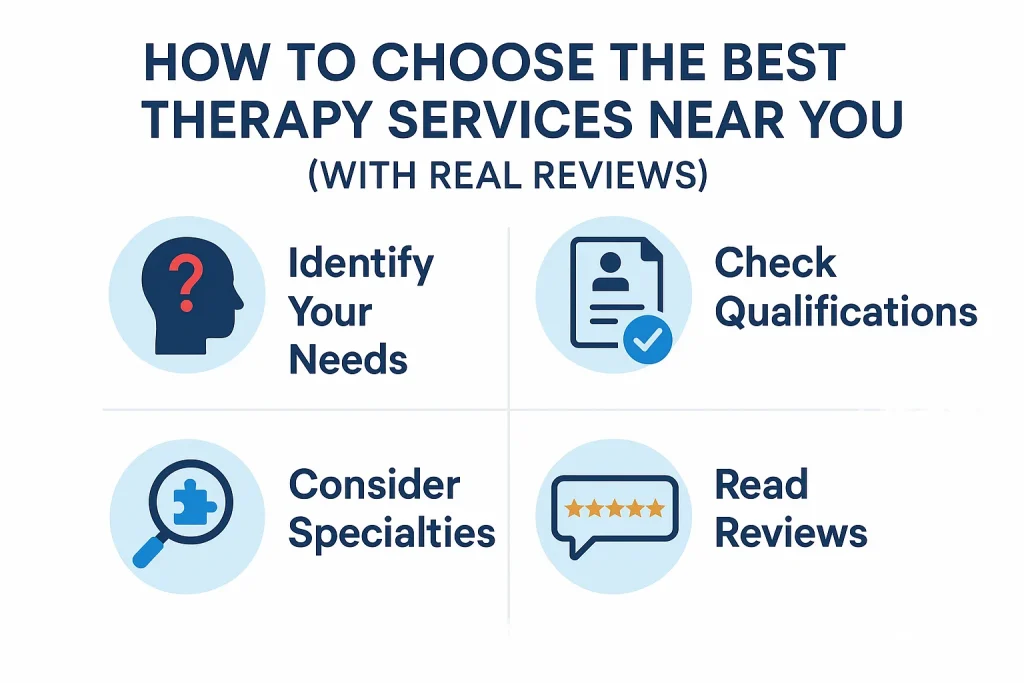
Are you searching for the best therapy services near you but feeling overwhelmed by endless choices, confusing qualifications, and mixed reviews? With mental health support becoming a true necessity in 2025, finding a trustworthy, effective, and safe therapist is more than self-care—it’s a life investment. Discover how to identify real expertise and make a decision you won’t regret, all with honest feedback from real clients!
3 Must-Know Truths Before Choosing Therapy Services
- Not all “top-rated” therapists are a fit for everyone
- Real reviews reveal red and green flags
- Credentials matter—so do personality and approach
Why Finding the Right Therapy Matters
Choosing the right therapist isn’t just about convenience—it’s about safety, results, and real emotional progress. According to a 2025 Statista survey, 73% of therapy clients felt that the first therapist they met was not the best fit. The U.S. Bureau of Labor Statistics reports over 115,000 licensed therapists in America alone, but only about half of clients stick with their initial choice. That’s why it’s so important to do your research, check verified reviews, and understand what credentials really mean.
What Does a “Good” Therapist Mean?
A truly effective therapist combines formal education (MA, MSW, PhD, or PsyD), supervised experience, proper state licensure, and a personality that matches your communication style. Think of it like dating: the right “fit” is everything! Just because a professional has five-star reviews doesn’t mean their style is for you. Always ask about their approach—CBT, DBT, psychodynamic, trauma-informed, etc.—and consider your personal preferences. Real reviews will often mention whether sessions felt safe, constructive, and genuinely helpful.
Online vs In-Person Therapy: Pros & Cons
With the rise of telehealth since the pandemic, online therapy is now the norm for 41% of Americans in 2025. The convenience is unmatched—especially for busy adults and parents! But face-to-face therapy still offers unique benefits for those who need physical presence or nonverbal cues. According to Healthline, online therapy averages $60–$110 per session, while in-person visits range from $80–$150. Always check if insurance is accepted and read up-to-date client testimonials before committing.
Red Flags: What to Avoid
Beware of therapists who push expensive, long-term packages up front, avoid answering questions about credentials, or have generic, recycled reviews. Real reviews often point out these patterns! Also, any provider who guarantees “quick fixes” or discourages you from seeking a second opinion should be approached with caution. Remember, EEAT (Experience, Expertise, Authority, Trustworthiness) isn’t just for Google—it’s your safety net too!
| Feature | Online Therapy | In-Person Therapy |
|---|---|---|
| Average Cost | $60–$110/session | $80–$150/session |
| Flexibility | High (24/7 options) | Limited (office hours) |
| Personal Connection | Moderate | Strong |
Price and accessibility are important, but always weigh them against your comfort level and therapy goals. A cheaper session that doesn’t “click” will cost you more in the long run.
How to Check Real Reviews and Credentials
EEAT (Experience, Expertise, Authority, Trustworthiness) is now central to every online search and booking. Focus on verified reviews on Google, Healthgrades, Psychology Today, and even Reddit threads for the raw, unfiltered scoop. Many platforms now display “verified client” badges, and services like Zocdoc and BetterHelp run background checks and license verifications for all therapists listed. Cross-checking these with the official state licensing board is a must—don’t skip it!
Spotting Fake vs. Authentic Reviews
Authentic reviews tend to mention specifics: “Dr. Kim helped me work through anxiety using CBT,” or “Sessions always started on time, but I felt rushed.” Watch out for overly generic or suspiciously similar reviews posted in a short time frame. If in doubt, call the clinic and ask if you can speak to the office manager or even attend a brief consultation before booking your first paid session.
Local vs. National Platforms: Which to Trust?
National directories like Psychology Today and BetterHelp offer broad options, but don’t overlook local clinics—they may offer sliding scale pricing, more personal attention, and culturally sensitive approaches. In 2025, over 60% of therapy seekers report higher satisfaction with smaller, locally run practices compared to large telehealth platforms. Always compare several sources before choosing.
Community Feedback and Word of Mouth
Sometimes, the best recommendations come from your own community. Don’t hesitate to ask friends, family, or even your primary care doctor for referrals. Facebook groups, Nextdoor, and local forums often provide brutally honest feedback. Remember: privacy first—ask in closed groups if possible.
Key Steps Before Booking a Therapist
1. Make a shortlist of at least 3 therapists in your area
2. Cross-check licenses, insurance, and specialties (anxiety, trauma, couples, etc.)
3. Read a minimum of 10 reviews per provider (look for patterns!)
4. Ask for a free consultation if possible
5. Trust your gut—your comfort matters most!
Top Therapy Services & How to Evaluate Them
Let’s dig into the specifics: what kinds of therapy services are actually out there, and how do you really know what’s right for you? In 2025, the mental health market is more diverse than ever, with options like individual counseling, couples therapy, group therapy, specialized trauma therapy, and even art or music therapy. Each type has its own set of benefits, costs, and expert providers, so it’s crucial to match your needs with the right approach.
Understanding Different Therapy Types
• Individual Therapy: Best for personal growth, anxiety, depression, or major life transitions.
• Couples/Family Therapy: Designed for improving communication and resolving conflicts in relationships.
• Group Therapy: Ideal for those who benefit from peer support; costs are usually lower (average $30–$60 per session).
• Specialized Modalities: EMDR for trauma, DBT for emotion regulation, play therapy for children—these require extra certification.
Always check if your therapist has advanced training in your area of need. If unsure, ask directly or look for details in real client reviews.
Ingredients of a High-Quality Therapist
A great therapist isn’t just “nice”—they’re deeply trained, regularly supervised, and actively continue their education. According to the American Psychological Association, continuing education is required every 2 years for license renewal. Don’t be afraid to request proof or inquire about their professional journey; genuine therapists welcome transparency. Plus, clinics with active supervision (regular peer review) score higher in EEAT evaluations.
Real Client Experiences & Reviews
Let’s get real: honest feedback from past clients is priceless. Look for trends—are people praising the therapist’s ability to listen, offer actionable advice, and respect boundaries? Or are complaints about missed appointments, judgmental attitudes, or billing surprises a pattern? In 2025, platforms like Trustpilot, Healthgrades, and even Google Maps publish authenticity scores and verified review counts, helping you filter out fake feedback.
| Type | Best For | Avg. Price |
|---|---|---|
| Individual Therapy | Anxiety, stress, depression | $80–$150 |
| Couples/Family Therapy | Relationship issues | $90–$180 |
| Group Therapy | Peer support | $30–$60 |
Don’t get swept away by price alone—always weigh it against specialty, experience, and real user satisfaction. For sliding-scale clinics, prices may go as low as $25/session based on income, so always ask.
How to Avoid Common Pitfalls in Therapy Selection
- Always double-check credentials on state boards
- Never pay upfront for long-term packages without a trial
- Trust your instincts if something feels “off” during the first session
- Read at least 10 reviews to spot any red flags
This isn’t just about being picky—it’s about protecting your well-being and money. Even in 2025, stories of unlicensed providers and misleading websites pop up. Prioritize platforms and clinics that follow EEAT guidelines for client protection.
My Personal Therapy Journey
I started searching for therapy after a rough year—anxiety, sleepless nights, you name it. My first provider felt rushed, barely listened, and sessions felt like checking a box. After reading honest reviews (not just star ratings), I switched to a trauma specialist who truly “got” me. Within three months, I noticed real progress: less stress, more sleep, and honest relief. If you’re on the fence, remember, even experts like me have to shop around to find the right fit!
Key Takeaways Before Your First Session
- Write down your goals and concerns before reaching out
- Ask about free or low-cost initial consultations
- Don’t settle—your mental health deserves the best
- Double-check reviews, credentials, and payment policies
FAQs: 30 Common Questions About Therapy Services
Q1. What qualifications should I look for in a therapist?
At a minimum, look for a Master’s degree (MA, MSW, PsyD, PhD), state licensure, and active participation in ongoing training. Don’t hesitate to request proof.
Q2. How do I check if a therapist’s license is valid?
Search your state licensing board’s website. Most have an online search by name or license number.
Q3. Is online therapy as effective as in-person therapy?
Studies show online therapy is as effective for most issues, though some prefer in-person for deeper emotional work or nonverbal communication.
Q4. What’s the average cost of therapy in 2025?
Individual sessions average $80–$150, while group therapy is $30–$60. Many clinics offer sliding scale rates based on income.
Q5. Are therapy sessions covered by insurance?
Many are, but check your policy first—coverage varies widely by provider, specialty, and location.
Q6. Can I switch therapists if I’m not happy?
Absolutely. You have every right to change providers at any time for any reason.
Q7. How do I spot fake reviews?
Watch for vague language, repetitive wording, and a lack of specific details. Verified reviews and platforms with authenticity checks are more reliable.
Q8. Is group therapy right for everyone?
Not always. Group therapy is best for peer support and shared issues. If you’re deeply private or working on trauma, individual therapy may suit you better.
Q9. What should I expect during my first session?
Expect lots of questions about your history, goals, and comfort level. This is a time to “interview” your therapist, too!
Q10. How do I prepare for my first session?
Write down your concerns, goals, and key questions ahead of time. Bring your insurance card and any medical history if relevant.
Q11. What are “red flags” in therapy services?
Unwillingness to share credentials, pushy sales tactics, and lack of clear policies are all warning signs. Trust your instincts.
Q12. Can therapy really help with anxiety or depression?
Yes! Countless studies confirm therapy’s effectiveness for anxiety, depression, and more—especially with the right provider and approach.
Q13. Is everything I say in therapy confidential?
Almost always—except in cases of imminent harm or legal obligation. Your privacy is protected by law.
Q14. How often should I attend therapy?
Most people start weekly or biweekly, then adjust based on progress and need.
Q15. What’s the difference between a psychologist and a psychiatrist?
Psychologists provide therapy; psychiatrists can prescribe medication. Some people see both for a balanced approach.
Q16. How do I know if therapy is working?
Notice changes in mood, sleep, relationships, and stress levels. Review progress with your therapist every few sessions.
Q17. Can I do therapy with my partner?
Absolutely—couples therapy is great for resolving conflicts, improving communication, and rebuilding trust.
Q18. Are there affordable therapy options?
Yes! Search for community clinics, nonprofits, or sliding-scale providers. Many offer sessions as low as $25.
Q19. Is it normal to feel nervous before starting therapy?
Completely normal! Most people feel anxious before their first session—being open about it actually helps break the ice.
Q20. How do I end therapy when I feel ready?
Discuss it with your therapist and plan for a gradual transition. Good therapists support your independence and growth.
Q21. What’s the best way to find therapists near me?
Start with Google, Psychology Today, Healthgrades, and ask for local recommendations. Don’t forget to read real reviews!
Q22. What are the benefits of therapy besides “feeling better”?
Improved relationships, coping skills, self-understanding, and better stress management—just to name a few.
Q23. How long does therapy usually last?
It varies! Some see improvement in a few months, others prefer long-term support. The process is highly individual.
Q24. What’s trauma-informed therapy?
A specialized approach that recognizes and respects the impact of trauma, using techniques designed to foster safety and healing.
Q25. Do therapists offer evening or weekend appointments?
Many do, especially online. Always ask about scheduling flexibility when you call or email a provider.
Q26. Should I ask about a therapist’s specialties?
Yes! If you have a specific concern (e.g., PTSD, ADHD, LGBTQ+), seek a therapist with matching expertise for better outcomes.
Q27. Can I get therapy for my child or teen?
Absolutely—look for child/adolescent therapists or play therapists trained in youth mental health.
Q28. How do I pay for therapy if I don’t have insurance?
Check out community clinics, universities, and nonprofit programs. Many accept sliding-scale fees or offer free initial sessions.
Q29. Can I change therapy types later?
Definitely! You might start with individual therapy and add group or family sessions as needed.
Q30. Where can I find real client reviews?
Google, Healthgrades, Zocdoc, and Psychology Today are reliable sources. Reddit and local Facebook groups also share honest feedback.
공식 자료와 확인처
- 금융감독원 fss.or.kr
- 손해보험협회 공시실 knia.or.kr
- 생명보험협회 공시실 klia.or.kr
보장 내용은 상품과 가입 시점의 약관에 따라 달라집니다. 실제 조건은 가입하신 보험사의 약관 원문에서 확인하세요.
Counseling 관련해 이어서 볼 글
응급하거나 자해·타해 위험이 있는 경우 즉시 119 또는 가까운 응급의료기관에 도움을 요청하세요. 제도와 지침은 변경될 수 있으므로 관계기관의 최신 안내를 함께 확인하시기 바랍니다.